While colleges and universities compete as usual for applications, rankings, and national reputation, a new peer has quietly joined the ranks of the most selective. This fall, it received more than 11,000 applications for just 250 spots, an acceptance rate of about 2%. It’s not a school, though: It’s a soda brand.
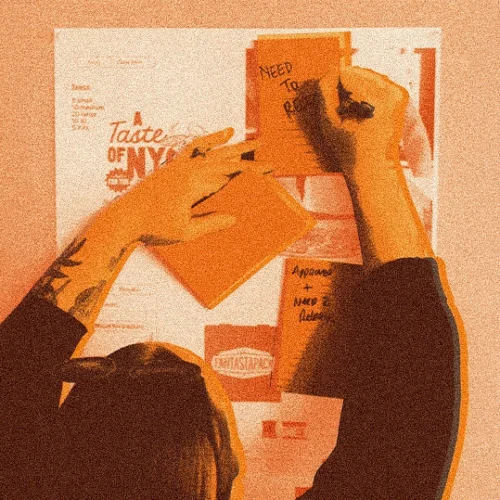
When Poppi posted the call for campus ambassadors — including a semester-long, paid partnership — thousands of students applied (up from just 300 applications in spring 2025). For one past ambassador at UNC Wilmington, the role helped grow her TikTok audience from 900 to 6,000 followers, while giving her paid experience and a portfolio she could show future employers. It’s the kind of opportunity students look for in an internship, but it’s now being offered by a beverage company.
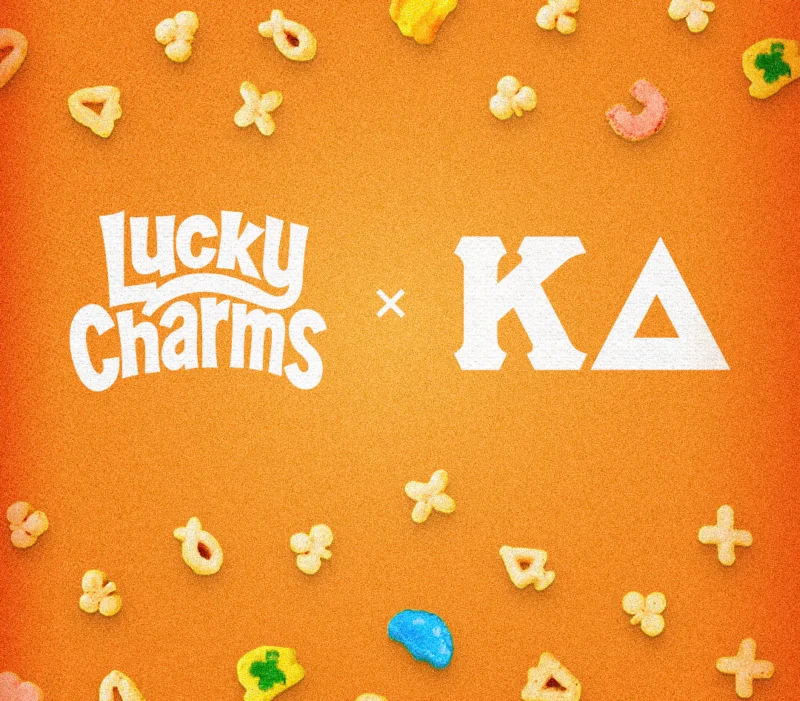
At the University of Arkansas, Lucky Charms took a different path. Kappa Delta chapters were already borrowing the cereal’s imagery for recruitment themes like “Lucky me, I’m a KD” — a natural fit with the sorority’s shamrock symbol. Working with an events company in Fayetteville, the brand brought that connection to life at the Kappa Delta house with rainbow décor, a photo booth, and charm and cereal bars.
What makes this partnership interesting is that students had already found a place for Lucky Charms in their traditions before the brand got involved. By paying attention, Lucky Charms was able to build on something that students had already made their own. For higher ed institutions accustomed to asking students to share their experiences, there’s value in noticing what they choose to celebrate and the traditions they create on their own.
Colleges and universities already work to help students prepare for careers and feel at home on campus, and many run paid creator and ambassador programs of their own. But these consumer brand experiences are worth a closer look, because they respond to some of the same needs that institutions are working to understand. Taken together, they point to something bigger: the college experience is increasingly co-authored, shaped by students, the platforms they spend their time on, and the brands that have learned to meet them there.
Where do brands and students meet?
Belonging. According to the Healthy Minds Study, 52% of college students reported high levels of loneliness in 2025. So there’s value in understanding where students already find connection and what makes those communities meaningful to them. For Kappa Delta members, “Lucky me, I’m a KD” was a shared expression of belonging, and Lucky Charms built its involvement around that connection. The brand gave members even more ways to celebrate their community. What could it look like for colleges and universities to support established student traditions to welcome others and make being part of a group feel meaningful?
Social life. College students are drinking less, with past-month drinking and binge drinking at historic lows in 2025, but campus social life hasn’t necessarily caught up. At UW–Madison, researchers found that loneliness was worse among students who don’t drink. In a Harris Poll survey, 73% of Gen Z adults said they wished there were more places to socialize where alcohol wasn’t the main focus. With its campus activities, Poppi is seeking to give students an alternative. This year, the brand sponsored stations where students could get free custom-airbrushed merch, and kept sorority house fridges stocked with free soda year-round. Its ambassadors are encouraged to share sodas at parties and campus events, adding a nonalcoholic option to students’ social lives.
Career anxiety. In a 2026 survey of 2,000 students, 69% said they worry about finding a job because of AI. In this climate, where students are uncertain about what employers will need from them, a paid ambassador role offers a concrete way for them to build and demonstrate their skills. They can leave the partnership with work samples and results to discuss in an interview, along with experience producing content for a recognizable brand.
Wellness as identity. Among the products that brands brought to campus this fall were protein popcorn, probiotic yogurt, and prebiotic soda. These foods are all functional, health-coded, and made to be seen, reflecting the spending habits of Gen Z and Millennials, who make up about 36% of U.S. adults and roughly 41% of annual wellness spending. No doubt these brands see students as buyers, but they also see them as the people who decide what’s worth buying.
What higher ed can build on.
A brand’s attention is real, but it serves a commercial purpose, and campus marketing naturally favors students who are already confident, visible, and good on camera. Even when the product meets a genuine need, these partnerships can reinforce the idea that a good college experience is curated, optimized, and posted.
Students have always shaped their own college years. Now they co-author them alongside platforms and brands that become familiar parts of their lives. Colleges and universities have a longer relationship to draw on: one that reaches through the hard semester and the changed major, into the first job and the years that follow. That longer view gives higher ed a reason to look beyond just the students and experiences that are most likely to make good content.
Still, there’s something to learn from how these consumer brands listen. Poppi’s ambassadors report back on where students study, where they gather, and what they like, giving the company a view of campus life through the people living it. Lucky Charms found direction in how students had already adapted its imagery for their own tradition, and gave them more to work with.
The traditions students build can reveal where they feel at home, and listening more widely can help an institution understand who is still looking for a place. When institutions can bring that same attention to campus life, they can carry what they learn beyond a campaign and into the real experiences of their students. If the college experience is now co-authored, higher education can be the author who sees the whole story, and the one still there at the end.
Sources
- Washington Post Creator: Brands grab the #RushTok spotlight
- Marketing Brew: 5 years in, the brand ROI from sorority rush is only growing
- The PIE News: Student storytellers and creator schemes gain ground
- Healthy Minds Study 2024–25 findings (University of Michigan)
- UW–Madison 2025 Healthy Minds results
- Responsibility.org summary of Monitoring the Future 2025 (industry-funded; replace with the original report)
- Food Institute on the Harris Poll soft socializing report
- Psychology Today: Career anxiety in the age of AI
- Inside Higher Ed: EAB survey on AI and career choice
- Forbes: 2026 Graduate Report
- McKinsey: Gen Z and wellness spending
- Her Campus: 8 brands dominating sorority rush 2026